Knowledge is cross-cutting. Spiny Babbler engages across government, development, technical, education, private-sector, and community environments through structured, multi-output initiatives. Engagements are designed to produce coherent deliverable sets that support multiple industries and institutional sectors including health, education, agriculture, public administration, information technology, engineering, environment, infrastructure, industry, youth, culture, and related domains.
Rather than isolated products, initiatives are structured as integrated documentation and communication systems aligned with governance, operational, and institutional objectives.
Engagements within public administration may include:


Health-sector initiatives may include:
Cross-cutting initiatives in agriculture and environment may include:


Engagements in education and youth sectors may include:
Technical and infrastructure-focused initiatives may include:


Engagements supporting industrial and professional sectors may include:
Many engagements span multiple sectors simultaneously — for example, health programs intersecting with governance, youth initiatives intersecting with education and culture, or infrastructure documentation intersecting with environmental and community communication.
In such cases, Spiny Babbler designs integrated deliverable ecosystems that may combine:


Corinthians and 92Y of the United States worked with Spiny Babbler over multiple years to deliver educational initiatives for young people. UNESCO Japan partnered on cultural education through 3D animated products. Spiny Babbler ran an alternative school up to grade 10 under Government of Nepal licensing and a club offering creative education after school and during holidays. It supported children worldwide through online classes and delivered 50,000 educational packages during the Covid shutdown. Work included curriculum development and educator training.
Years of SNV’s development experience were converted into a comprehensive 250-page publication. PASRA’s rural activities in adult education, training, enterprise and income generation, and promotion of democracy were documented. International Alert’s work with community score cards was presented through reports and SAHAJ program outcomes. Additional contributions include work for The Mountain Institute, urban development efforts led by UDLE, and documentation for the Lutheran World Federation.
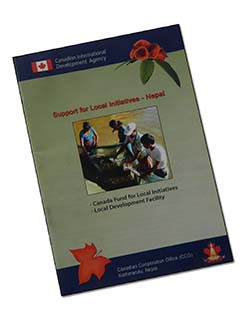
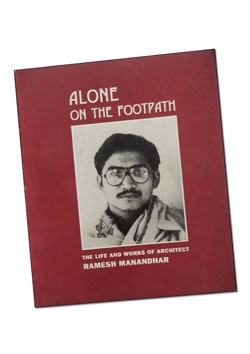

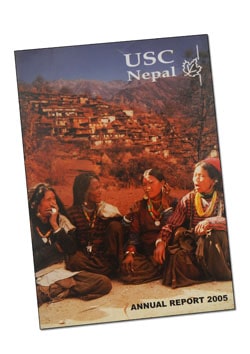
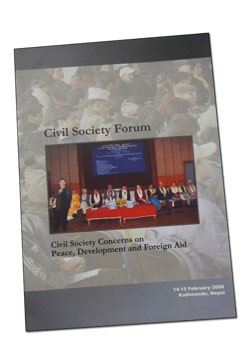
Experiences and learning from mayors of 40 municipalities working with CDSG were documented. The NGO Fund Project received support in preparing governance manuals. Local government taxation policies and community-based processes were converted into a 3D animation video. Numerous knowledge products have been created over the years to promote transparent governance.
Documentation has covered floods, earthquakes, disease outbreaks, and other forms of disaster. The community radio association of 475 stations prepared and published guidelines on disaster relief programming with Spiny Babbler support. Work also included documenting earthquake rehabilitation initiatives for ECPAT Luxembourg.
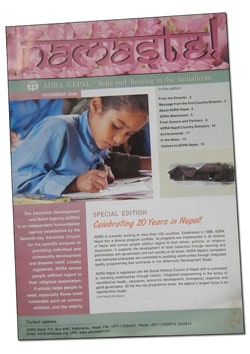

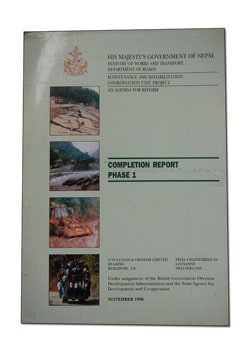

A road-building and maintenance manual was prepared with MRCU for engineers of the Road Department. Swiss and German bridge-building efforts across Nepal – and associated South-South cooperation – were documented and presented in print form. Habitat for Humanity’s work with global volunteers in remote Nepal was documented in audio-visual format.